Stucco Repair & Re-Stucco in Santa Fe, NM
Santa Fe Stucco Repair helps homeowners across Santa Fe, Eldorado, Las Campanas, Tesuque, Los Alamos, and Española keep their stucco doing its two jobs — shedding high-desert weather and looking the way Santa Fe is supposed to look. Cracks, crumbling parapets, faded color, a whole re-stucco, or stucco for a new build: call or request a callback to talk through the concern and the likely next step before the next freeze or monsoon works on it.
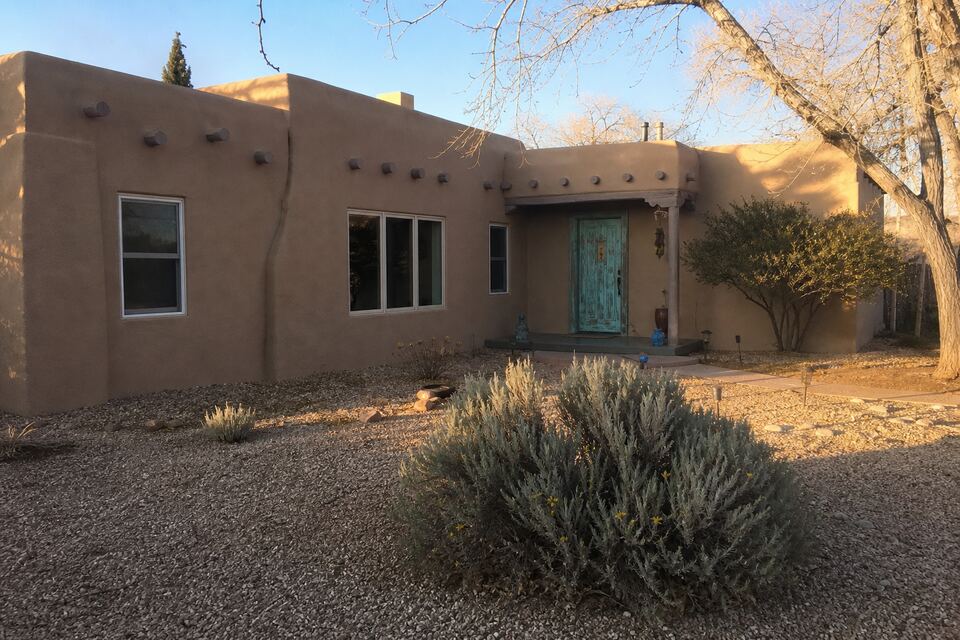
Stucco Services and Problems We Help With
Stucco repair
Cracks, chips, bulges, soft spots, and water-damaged patches — reviewed for likely cause before repair options are explained.
Repair page →Re-stucco & color coat
When the whole exterior finish is worn: new finish coats, fresh color, and guidance on cement, acrylic, or breathable plaster options.
Re-stucco page →New stucco
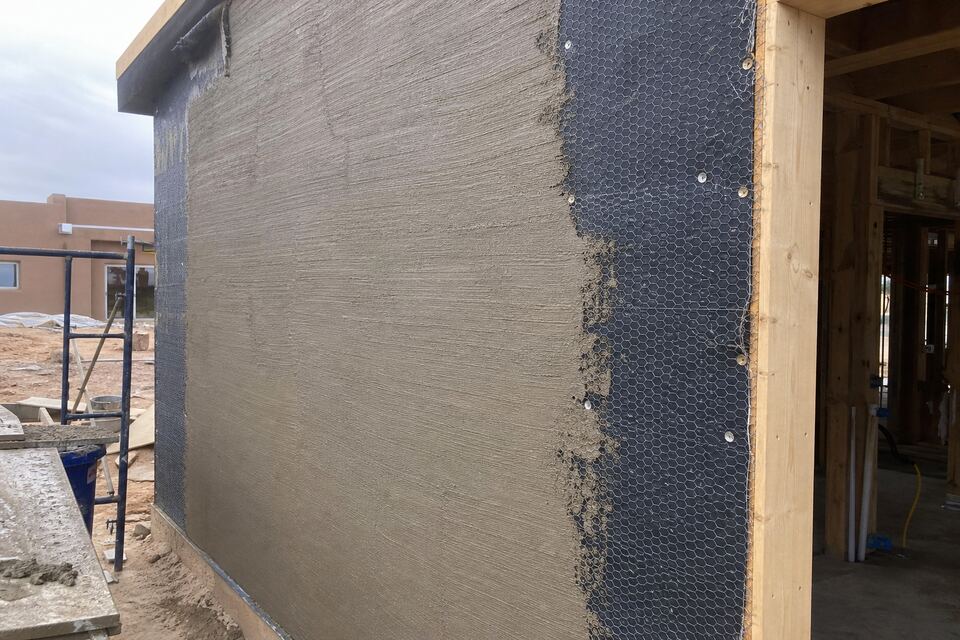
Three-coat systems for new builds, additions, and garages — with the lath, weather barrier, and finish planned around the wall.
New stucco page →Parapets & canales
The most-failed square footage on any flat-roofed Santa Fe home — where water gets in and stucco fails first.
Parapet page →Synthetic vs traditional
Acrylic finishes, cement stucco, and lime plaster each belong on different walls. The decision guide.
Decision guide →Cost and scope
The main factors that affect stucco pricing — wall condition, access, materials, color matching, and repair size.
Cost guide →Why Stucco Cracks, Fades, and Fails in Santa Fe
Santa Fe sits at 7,000 feet, and the elevation writes the failure list. Winter runs dozens of freeze-thaw cycles — water slips into a hairline crack by afternoon, freezes by night, and pries the crack wider, all season long. Summer flips the script: July and August monsoons drive rain sideways into south- and west-facing walls and pour roof water through canales past parapets that take the worst of it. Add a year-round UV dose that fades color coats and embrittles acrylic finishes, and stucco here ages on a schedule most of the country never sees. None of this means stucco is wrong for Santa Fe — it is the right skin for this place — but it does mean small failures compound fast, and the cheap repair is always the early one.
When You May Need Stucco Repair or Re-Stucco
You may need help when cracks keep widening, stucco feels soft or hollow, parapet tops crumble, water stains show below canales, color has faded unevenly, or patched areas no longer blend with the rest of the wall. You do not have to know whether the answer is a small repair, a color coat, or full re-stucco before calling. Describe what you are seeing and where it is happening, and the callback can narrow the likely scope.
Hairline cracks, chips, isolated impact damage, or one failing patch may be repairable before water and freeze-thaw make the area larger.
Repeated cracks, broad fading, many old patches, or finish failure across several walls can make a larger color coat or re-stucco more sensible than one more patch.
Parapet damage, canale staining, soft stucco, or bulging areas deserve attention because the visible surface may be only part of the issue.
What Affects Stucco Repair Cost or Scope
Santa Fe walls wear three different skins, and they cannot be treated alike. Most homes carry cement stucco — the three-coat system over lath that handles weather well and repairs predictably. Many newer builds wear synthetic (acrylic) finishes, flexible and color-rich but with their own aging habits. And the city’s historic adobes wear lime or earth plasters that must breathe — sealing an old adobe wall under cement or elastomeric coatings traps moisture in the mud brick and quietly destroys the wall it was meant to protect. Different wall types need different repairs, so the wall condition and material are reviewed before a final scope is recommended. The decision guide walks the differences.
Stucco hides its condition. The wall is reviewed before a final number gets promised, then the repair or re-stucco scope is itemized clearly.
New stucco against sun-faded stucco never matches day one. What blends, what won’t, and when a full color coat is the honest answer — said up front.
Inside Santa Fe’s historic districts, exterior changes and colors can need city approval. Ask about this early so scope, color, and timing are handled correctly.
Repair vs Re-Stucco: Which Next Step Fits?
A spot repair makes sense when the issue is limited and the surrounding wall is still sound. Re-stucco or a full color coat becomes more likely when damage repeats across several areas, texture and color no longer blend, or the existing finish is near the end of its useful life. The goal is to explain the practical tradeoff before work starts, not push a larger project when a smaller repair will do.
Best for isolated cracks, chips, small water-damaged patches, and targeted parapet or canale problems.
Best when the whole finish is failing, color has aged unevenly, or patching would leave the wall looking pieced together.
If you are not sure which category fits, call or use the form. A plain description is enough to start the callback.
Ready to Talk About Stucco Repair or Re-Stucco?
A crack you keep noticing, a parapet that is crumbling, or a wall color you no longer like is enough reason to start. Tell us what you are seeing and where — a stucco professional can sort cosmetic from structural concerns and explain the likely next step before anything starts.
Stucco Repair FAQs
How do I know if a stucco crack is serious?
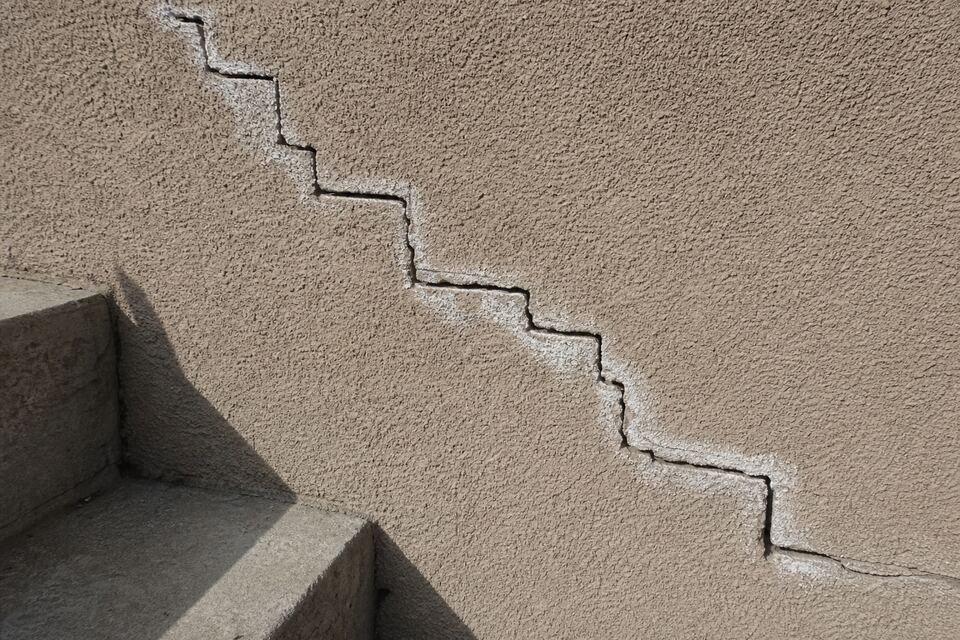
Width and pattern. Hairlines under a credit card's thickness are usually finish-coat movement — worth sealing before freeze-thaw grows them. Cracks you can fit a coin into, stair-step patterns following block lines, or cracks paired with bulging or soft spots point at the structure or at water behind the stucco, and deserve a look soon.
Will a stucco patch match my wall color?
Honestly: not perfectly, not on day one. Your wall has years of sun fade a new patch doesn't. Good blending gets close, texture matching matters as much as color, and when a wall has many patches, a full color coat is often the answer that actually looks right.
Can you work on old adobe homes?
Yes — with the right materials. Historic adobe needs breathable lime or earth plaster, not cement stucco or sealing coatings that trap moisture in the mud brick. The visit identifies what your wall is before anything is proposed.
When is the best season for stucco work in Santa Fe?
Stucco wants moderate temperatures to cure — the long spring and fall windows are ideal. Summer work schedules around monsoon afternoons; hard-freeze weeks pause exterior coats. Repairs that keep water out get priority before winter either way.
Do you handle whole-house re-stucco and small repairs?
Both, gladly. A single crack repair is a real job here, and a full re-stucco is the right call when failures cluster — the visit shows the repair-now versus re-stucco math side by side when a wall is near that line.
Stucco Repair and Finish Examples
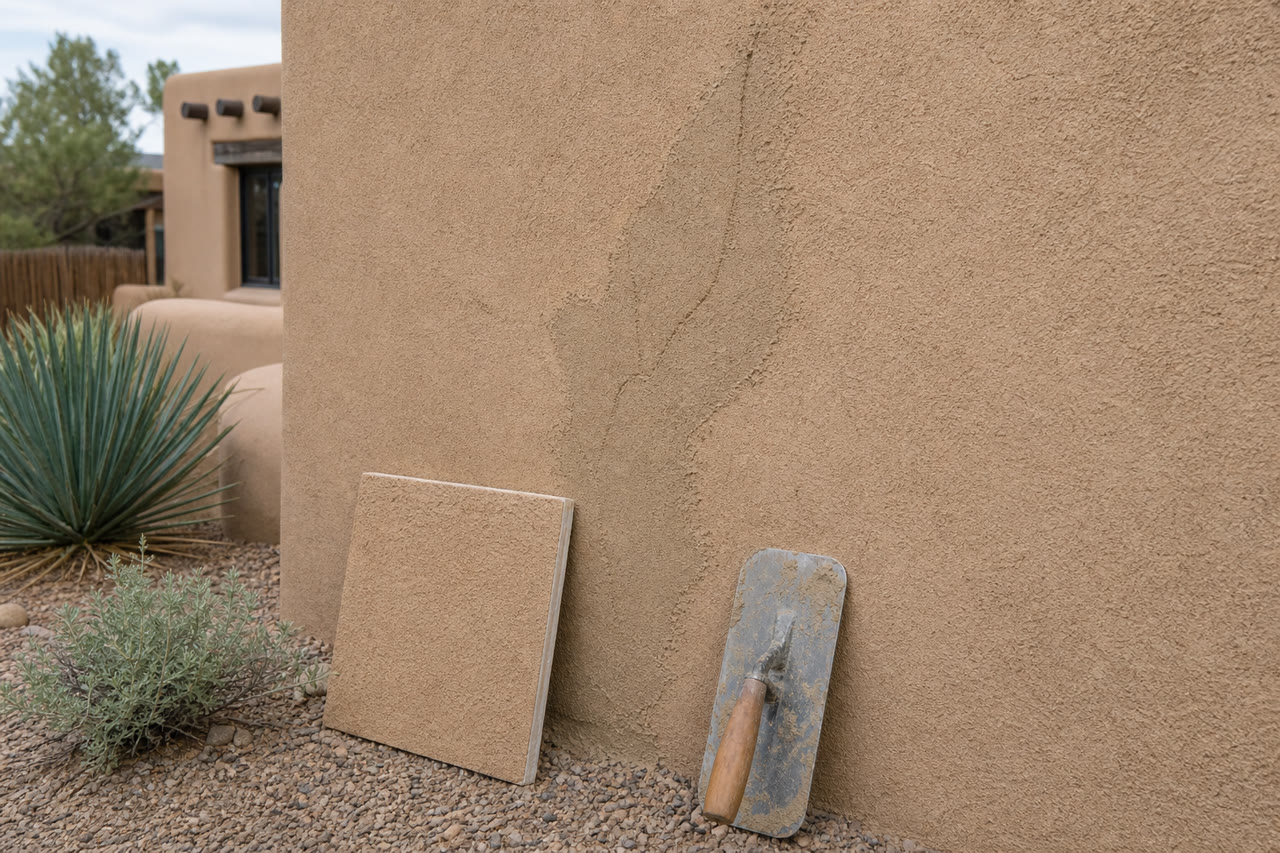
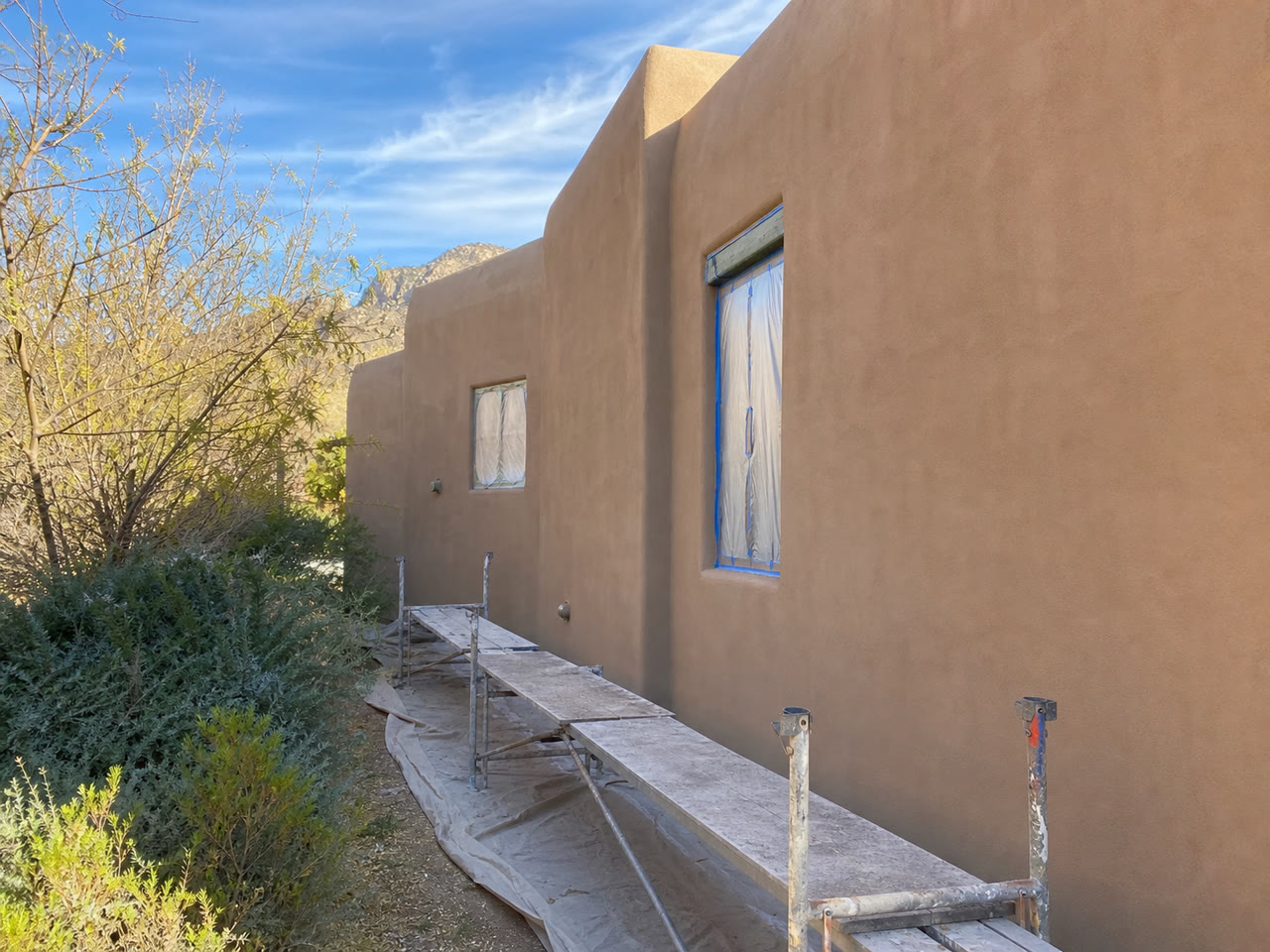
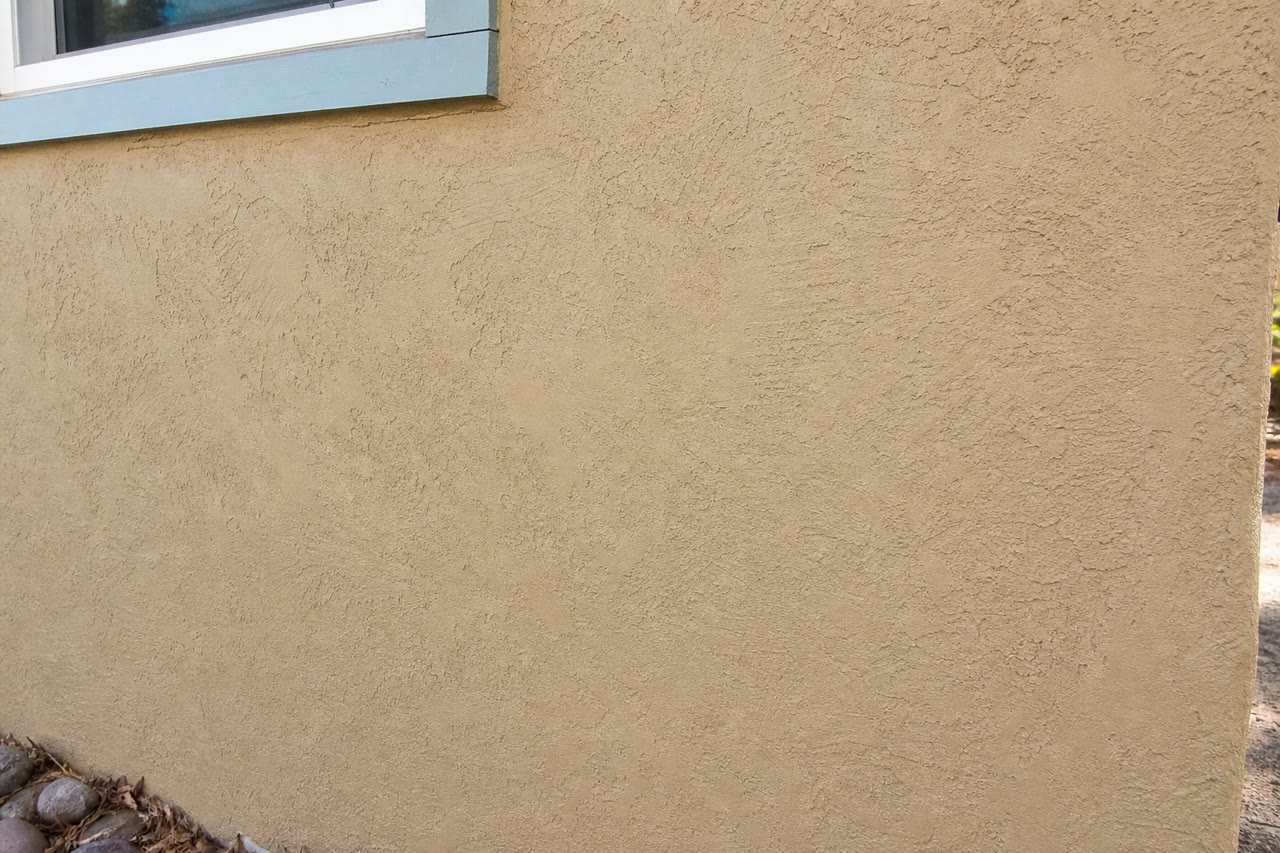
These examples show common crack repairs, texture matching, and finish-coat work. You do not need to identify the material or repair type before calling.